
Before visiting a limestone show cave on a Caribbean island, half of first-time travelers pack the exact wrong items. People haul fleece sweaters expecting freezing northern caverns, slip into smooth rubber flip-flops designed for poolside lounging, or roll baby strollers up to reception assuming paved boardwalks lead straight inside. Knowing what awaits along those 49 entrance steps, inside humid sunlit chambers, and along the outdoor Indian Trail prevents uncomfortable surprises from minute one.

Essential Logistics & Takeaways
- Entrance Staircase: Reaching the third limestone terrace cave mouth requires climbing 49 entrance steps outdoors (guided pace with ocean breeze at the top).
- Accessibility Split: Cave interior is NOT wheelchair or stroller accessible; the outdoor paved Indian Trail IS wheelchair and stroller friendly.
- Climate Reality: Expect warm, humid air inside (zero sweaters needed!), cooled selectively by installed ceiling/wall ventilators.
- Footwear & Cameras: Wear closed-toe sneakers or grippy sandals on damp cavern ramps, keep camera flash OFF near bats, and wipe misted lenses gently.
Climbing the 49 Entrance Steps Safely
Hato Caves sit notably higher up on Curaçao’s third geological limestone terrace, overlooking the northern coastal highway and airport plain below. Unlike drive-in hillside caves where you step straight from pavement into chilly shade, arriving guests meet their hourly guide near reception and begin walking up 49 broad stone and concrete steps to reach the cavern doorway.
How strenuous are those steps in practice? Taken at an unhurried group pace, most healthy adults, active older travelers, and children ages 4 and up manage the climb smoothly within two to three minutes, stopping naturally at the scenic overlook terrace where fresh Caribbean trade winds cool your face right before entering. Still, take three commonsense precautions if anyone in your family manages knee pain, asthma, or balance challenges:
- Take Your Time on the Ascent: Mention to your guide right at the bottom if someone moves slowly; groups routinely pause briefly at the terrace door catching panoramic views across the northern coast before stepping underground.
- Watch Heat Before Stepping Inside: Between 11:00 AM and 2:00 PM, sun reflects sharply off pale limestone steps. Carry a chilled bottle of water up with you and wear a hat until reaching the shaded overhang.
- Remember the Return Downward: You exit out onto elevated walkways and descend steps back down toward the Indian Trail and parking lot at tour end. Knees feel impact more walking downhill on rigid concrete, so sturdy cushioned athletic sneakers help far more than flat beach sandals!
Tropical Cave Humidity, Ventilation & What to Wear
Here is the single biggest surprise for North American and European travelers: Hato Caves are NOT cold underground. Tourists accustomed to 12°C (54°F) temperate caves often carry hoodies inside, only to wrap them awkwardly around their waists five minutes later while wiping sweat off their foreheads!
Situated roughly 12 degrees north of the equator, Curaçao’s limestone strata absorb year-round tropical warmth. Inside Hato’s sunlit and artificially lit galleries, moisture slowly percolates through fossilized coral rock, creating warm, noticeably damp humidity. Park operators run large electrical ventilators at strategic corners to keep fresh air circulating across main rooms like the Cathedral and Water Pool chambers, yet stillness still wraps quickly around crowded 35-person midday groups.
Dress cleanly for equatorial cavern comfort:
- Breathable Natural or Technical Fabrics: Choose light linen shirts, moisture-wicking athletic tees, or breathable cotton shorts. If touring beaches afterward like Kokomo Beach or Grote Knip, wear a lightweight dry cover-up rather than damp swimwear.
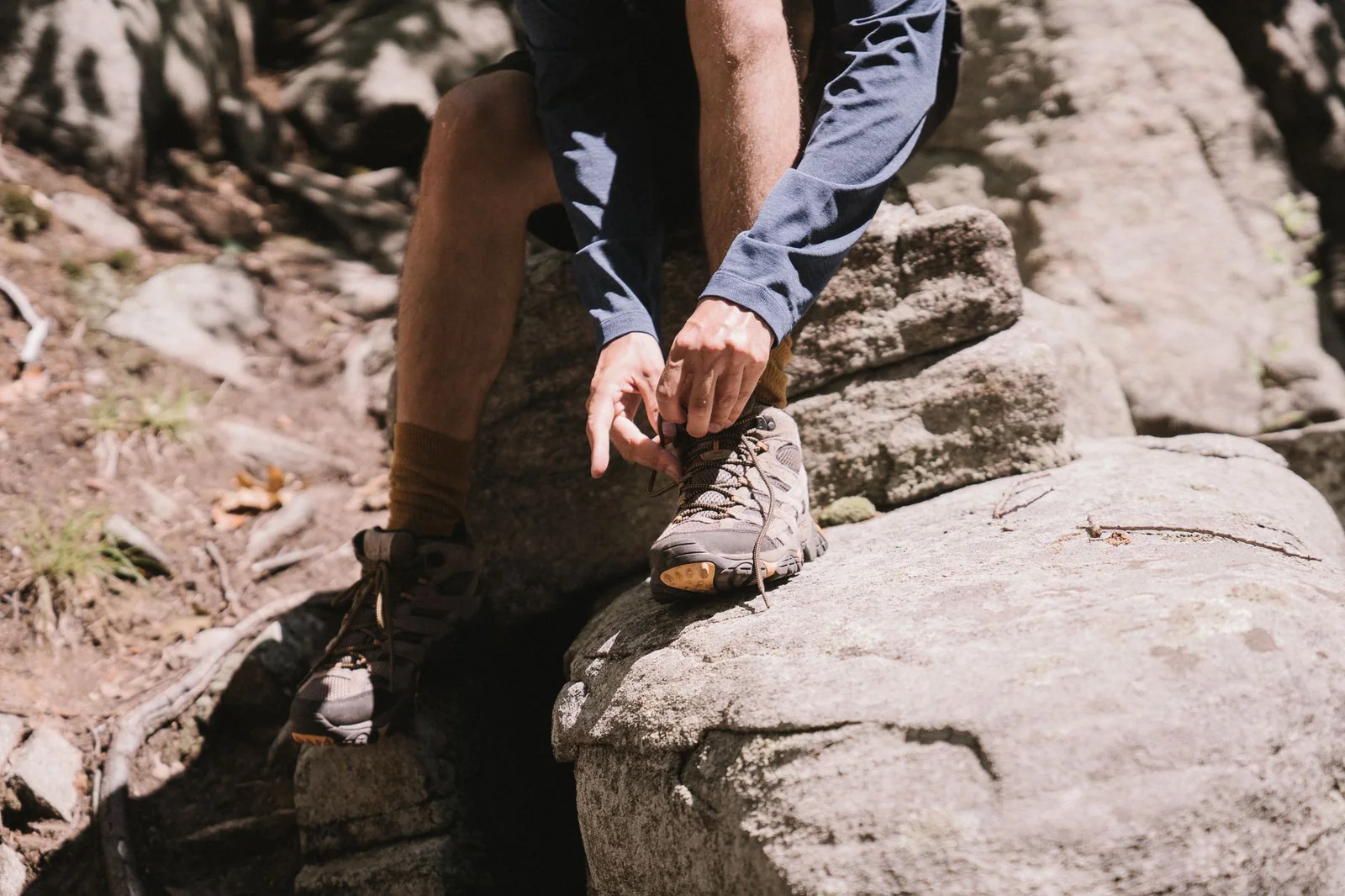
- Closed-Toe Sneakers or Grippy Sport Sandals: Although interior walkways feature smooth paving, steady lighting, and sturdy iron handrails, mineral dripwater leaves occasional damp patches and worn stone textures underfoot. Smooth flip-flops slide unpredictably on wet ramps!
- Leave Giant Backpacks in Your Locked Trunk (Out of Sight): Carrying bulky beach bags filled with towels, heavy snorkel fins, and flippers through narrow chamber passages bumps fellow guests and heats up your back unnecessarily. Carry just one light cross-body pouch with water, cash, and your phone or camera (check parking security notes so zero bags sit visible through car windows outside).
Accessibility Options: Cave Interior vs. Indian Trail
Because Hato Caves welcome visitors of every generation, honest mobility clarity matters upfront. Can visitors using wheelchairs, walkers, or heavy baby strollers tour the caves? Unfortunately, no. Beyond the 49 entrance stairs climbing onto the third terrace, interior walkways wind across stepped elevation shifts, narrow squeezed openings, and damp uneven concrete ledges that are not accesible to wheeled mobility aids. Parents carrying infants should plan around soft structured baby carriers (chest packs) only if comfortable climbing steps while keeping one hand free for iron handrails.
Wait: what if one family member uses a wheelchair or skips climbing stairs while the rest of the group goes inside? You will NOT be stranded in a dusty parking lot! Right alongside reception begins the Indian Trail, a paved, smooth, wheelchair- and stroller-accessible botanical loop taking roughly 20 to 30 minutes through native cactus gardens, shady local trees, basking iguanas, and ancient Caiquetio Amerindian petroglyphs carved into limestone boulders. Shaded benches and the reception snack-and-souvenir patio sit flat on ground level too, letting companions relax comfortably with cold drinks until the 45-minute cave tour finishes (read our Indian Trail history overview).
Photography Rules, Flash Bans & Condensation Tips
Nearly every traveler wants photos of Hato Caves’ dramatic sculpted stalactites, romantic subterranean water pool, and glowing chambers, yet two practical rules apply inside:
- Strict Flash Restrictions Near Bats: Casual handheld non-flash photography is permitted in most main illuminated limestone halls, whereas flash photography is restricted or prohibited near the bat roosting chamber (and whenever guides instruct cameras off) so harsh strobe bursts never disorient nocturnal fruit bats hanging overhead! Read more on their nocturnal ecology in our bats and geology guide.
- Preventing Fogged Camera Lenses & Glasses: Stepping straight from hot breezy coastal sun into still, high-humidity cave air causes cooler glass elements, including camera lenses, phone glass, and prescription eyeglasses, to fog immediately into white haze for the first two minutes. Pull cameras out of chilly air-conditioned tour vans 10 minutes early while buying tickets outdoors so glass warms naturally to ambient island temperature!
Also keep hands strictly off cave walls, hanging stalactites, and rising floor stalagmites. Natural skin oils coat porous calcium carbonate surfaces, sealing off mineral seepage and permanently staining or halting living rock growth that took thousands of years to build millimeter by millimeter!
Claustrophobia, Low Ceilings & Rest Stops
Travelers prone to mild claustrophobia often hesitate outside show-cave doors. Does Hato feel cramped? Hardly at all! Most main rooms soar overhead like arched auditoriums, lit smoothly with walkway rails and clear exit signage. Only a few brief connecting corridors narrow slightly for twenty paces before opening straight back out into spacious vaulted halls with running electric fans. Tell your guide beforehand if enclosed rock corridors bother you so you walk near the open front or rear end of the group where airflow stays freshest.
What about families carrying young toddlers up the 49 stone steps? Children ages 4 to 12 love spotting silhouettes and roosting bats when guides point beams overhead, yet small children tire quickly in warm humidity if expected to climb unassisted. Parents traveling with babies should stick strictly to chest-mounted soft carriers rather than bulky framed backpack carriers that scrape narrow connecting overhangs.
Emergency Contacts & Medical Safety On Site
Should anyone feel lightheaded from tropical humidity inside the caverns, notify your bilingual guide immediately; staff know rapid shaded exits and carry radio links straight back to reception. Save these verified Curaçao emergency contacts before arriving (whether driving yourself or stepping off a ship from Willemstad cruise port):
- Hato Caves Park Reception:
+5999 8680379(WhatsApp group desk:+5999 5233353) - Police & Fire Department: 911
- Ambulance / Medical Dispatch: 912
- Curaçao Medical Center (CMC Hospital):
+5999 745-0000(Otrobanda, Willemstad, roughly 15 minutes south)
Check our hourly schedule and price breakdown alongside our tickets and tours comparison to match your visit to cooler 9:00 AM morning departures before peak afternoon warmth builds! Also peek at our full-day Westpunt route if pairing caves with afternoon swimming.
Traps, Restrictions & Tourist Realities
- Packing Heavy Sweaters or Wearing Smooth Flip-Flops: Sweaters turn uncomfortable fast inside warm humid tropical chambers, while slick rubber flip-flops lose grip on damp stone steps.
- Popping Camera Flash in the Bat Chamber: Respect guide warnings and disable auto-flash completely before passing underneath the roosting fruit bats.
- Touching Living Stalactites & Stalagmites: Even brief fingerprints leave acidic oils that turn glistening mineral crystal dull brown and interrupt slow limestone growth.